
Blogs
Beyond the Surface: A Holistic Approach to Managing Acne
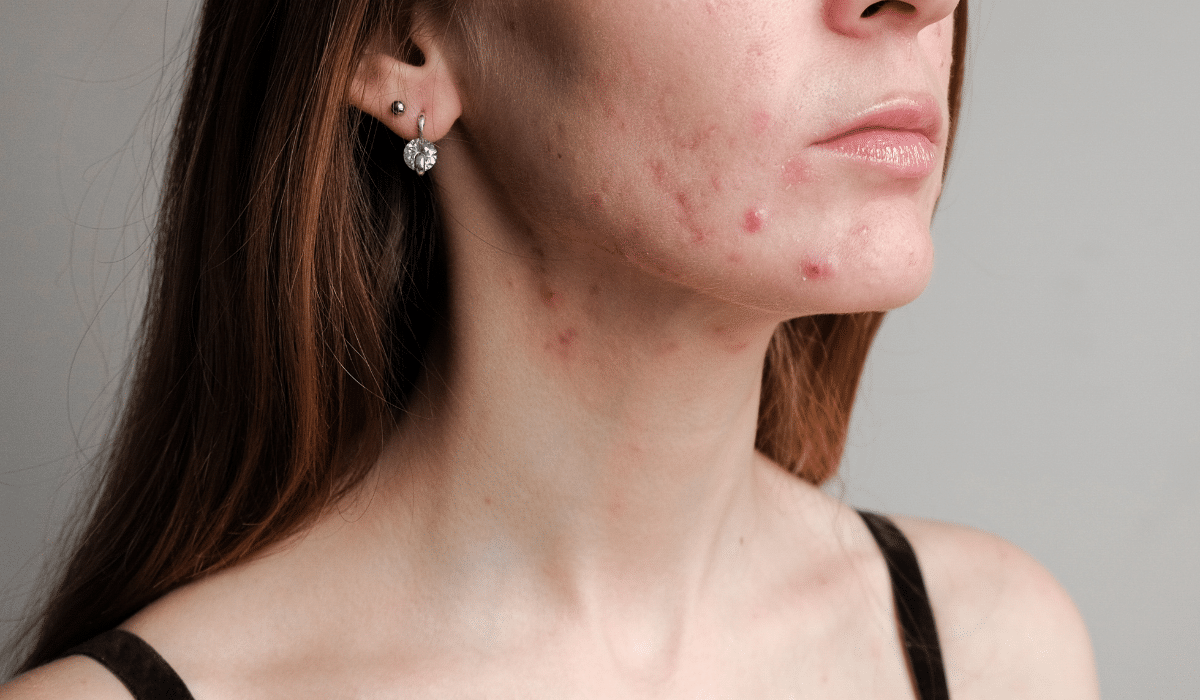
Acne is a condition that affects millions of people, yet it is rarely just a physical issue. For many, persistent breakouts can take a heavy toll on self-esteem and overall mental wellbeing.
At a biological level, acne is an inflammatory condition driven by excess oil production, clogged hair follicles, and bacterial overgrowth. However, looking at the skin in isolation only tells half the story. Internal variables such as dietary choices, hormonal fluctuations, and deficiencies in key nutrients like zinc and vitamin D frequently drive these external symptoms. By understanding the mechanisms behind acne and utilising evidence-based nutritional support, it is possible to cultivate clearer, healthier skin from within.
The Mechanics of a Breakout
Acne vulgaris is much more complex than a simple blocked pore. Recent clinical understanding points to alterations in the skin’s epidermal barrier as a primary factor in how acne forms.
This barrier acts as your skin’s structural foundation. When it is functioning optimally, it locks in moisture, repels external damage, and defends against harmful microbes. When this barrier is compromised—whether by environmental stressors, harsh products, or internal inflammation—the skin becomes vulnerable. This vulnerability paves the way for irritation, an imbalance of skin bacteria, and the inflammatory response we recognise as a breakout.
Why Professional Support Matters
The impact of acne extends far beyond the physical marks left behind. Even mild cases can lead to long-term tissue scarring and significant emotional distress. For many individuals, ongoing skin issues contribute to anxiety, lowered confidence, and depression. Addressing acne effectively is not just about cosmetic improvement; it is about protecting your mental health and preventing permanent structural changes to the skin.
Uncovering the Root Causes
Acne is rarely caused by a single trigger. It typically develops from a combination of interconnected factors:
- Hormonal and Genetic Drivers: A family history of severe acne can increase your likelihood of experiencing it. Hormonal conditions such as polycystic ovary syndrome (PCOS) or insulin resistance, as well as a heightened sensitivity to androgens (like testosterone), can significantly increase sebum (oil) production.
- Nutritional Imbalances: Diets high in processed foods and refined sugars can drive systemic inflammation. Additionally, excessive dairy consumption can increase insulin-like growth factor (IGF-1) in some individuals, which is known to stimulate breakouts. Deficiencies in nutrients like zinc and vitamin D also compromise the body’s ability to regulate inflammation.
- Lifestyle and Environment: High levels of emotional stress are a well-documented trigger. Environmental factors such as smoking, exposure to toxins, wearing heavy or occlusive makeup, or taking certain medications can also provoke the skin.
- Microbiome and Barrier Health: A damaged skin barrier or an imbalance in the gut microbiome can disrupt the brain-gut-skin axis. This allows specific strains of bacteria, such as Cutibacterium acnes, to overgrow and fuel local inflammation.
Integrating Conventional and Natural Care
If you are struggling with persistent acne, discussing your options with a healthcare professional or skin specialist is a highly recommended first step. Conventional treatments often include topical retinoids (which help speed up cell turnover), benzoyl peroxide (to reduce bacteria), or oral and topical antibiotics. For severe cases, medications like isotretinoin may be prescribed.
While these options can offer relief, they sometimes come with side effects like skin dryness or disruptions to gut flora. This is where natural medicine provides exceptional complementary support—targeting the underlying inflammatory and nutritional factors to promote long-term resilience.

Nutritional Interventions for Clearer Skin
Addressing systemic inflammation, nutrient gaps, and gut health can drastically change how your skin behaves. Here are four foundational nutrients that support the skin internally:
Zinc: The Skin Foundation
Zinc is a highly effective mineral for skin health. Clinical evidence suggests that a daily intake of 30 to 90 mg of elemental zinc can significantly reduce both the frequency and severity of breakouts over a 12-week period. Zinc aids in regulating inflammatory signals and supports the gut microbiome, which is intrinsically linked to skin clarity. While high doses can occasionally cause mild nausea, a steady, individualised dose can lead to substantial improvements in skin texture and healing.
Omega-3 Fatty Acids: Systemic Calming
The EPA and DHA found in high-quality omega-3 supplements are potent natural anti-inflammatories. Research indicates that omega-3 supplementation not only improves inflammatory acne and reduces blackheads, but it can also enhance the effectiveness of conventional treatments like isotretinoin. Furthermore, omega-3s encourage the growth of beneficial gut bacteria, addressing the brain-gut-skin connection.
Vitamin D: Immune and Inflammatory Support
Often referred to as the sunshine vitamin, vitamin D is essential for modulating the immune system and keeping inflammatory responses in check. Individuals with acne frequently present with sub-optimal vitamin D levels. Correcting this deficiency can provide your body with the necessary tools to calm irritated skin and prevent recurrent infections within the pores.
Antioxidant Botanicals: Barrier Protection
Herbal extracts such as turmeric and grape seed provide powerful antioxidant support. These compounds neutralise free radicals, reduce oxidative stress, and help maintain healthy blood flow to the skin’s surface. By quieting inflammatory pathways, these antioxidants help fortify the epidermal barrier against daily irritants. With the help of your Naturopath they can provide only the best quality nutritional and herbal medicines backed by scientific research and guaranteed effective ingredients
Your Action Plan for Healthier Skin
Managing acne requires patience and a multifaceted approach. To support your skin’s natural healing processes, keep these three principles in mind:
- Embrace a Holistic Strategy: Combine gentle, non-stripping skincare with a nutrient-dense diet and proactive stress management.
- Target Your Nutrition: Utilise high-quality, practitioner-recommended supplements like zinc, omega-3s, and vitamin D to address internal deficits.
- Be Consistent: Natural interventions take time to alter cellular turnover and reduce systemic inflammation. Allow a consistent 4 to 12 weeks to observe meaningful changes.
Because everyone’s skin and internal chemistry are unique, there is no single solution for acne. The team at Nurtura Health is highly experienced in identifying individual dietary, hormonal, and environmental triggers. Make an appointment today to build a tailored, evidence-informed plan that supports your skin from the inside out.