

Blogs
Is Buying Organic Really Better for Your Health?

More and more people are taking a closer look at the food they eat – reading labels, asking questions, and specifically searching for the word ‘organic’. But is the growing demand for organic produce just a marketing trend, or are there real health benefits behind the label?
Let’s explore what makes organic food different, why so many people are choosing it, and whether it’s worth the extra cost.
What Does ‘Organic’ Actually Mean?
In Australia, organic farming refers to the production of food without synthetic fertilisers, pesticides, or artificial chemicals. It’s this lack of chemical input that attracts many health-conscious shoppers. They’re not just chasing a buzzword – they’re choosing to avoid the chemical residues that often come with conventionally grown produce.
While regulations do set legal limits on the amount of chemical residue allowed in food, many people feel that any chemical exposure is too much, especially for vulnerable groups like children or during pregnancy.
Are Agricultural Chemicals Safe?
Many agricultural chemicals were originally approved based on traditional toxicology testing. If they didn’t cause immediate harm in large doses, they were deemed safe. But over time, researchers began asking new questions – like what happens when we’re exposed to very small amounts over many years? Or what if we’re exposed to multiple chemicals at once, even if each one is within “safe” limits?
Some of these chemicals are now known as endocrine disrupting chemicals (EDCs). These substances can interfere with our hormonal system and are increasingly found in the environment, where they don’t easily break down. That means even small exposures over time may have long-term health effects – some of which may not show up until much later in life.
High levels of EDCs have been associated with hormonal issues including irregular cycles, reduced fertility, endometriosis, fibroids, and early puberty. While more research is ongoing, many people prefer not to wait for definitive answers – instead, they choose to reduce their exposure where they can. One simple way to do that? Eat organic.
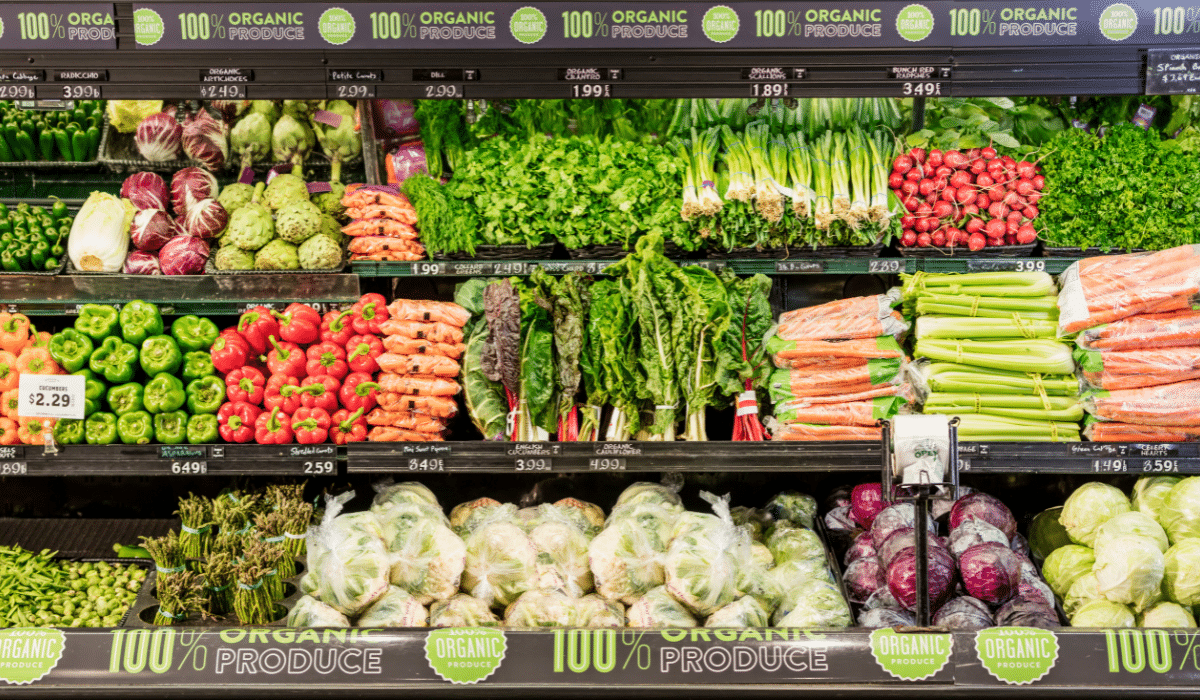
What to Look for When Buying Organic
When shopping for organic products, look for the term ‘certified organic’. This means the product has been approved by an accredited certifier and meets strict production standards. Be cautious with labels that say ‘natural’, ‘green’, or simply ‘organic’ without certification – these terms aren’t legally regulated and can be misleading.
Can’t Afford to Go Fully Organic?
Organic produce can cost more – but you don’t have to switch everything overnight. Start by focusing on the foods that are more likely to contain higher levels of pesticide residues. Washing fruits and vegetables thoroughly when you bring them home is another simple but effective step. Even just rinsing under running water for 30 seconds has been shown to significantly reduce chemical residues on many types of produce.
Other ways to shop smarter include:
- Buying in-season when organic prices are often lower
- Visiting local farmers’ markets
- Joining an organic produce box scheme, which often offers better value by buying direct from the grower
Remember, organic food is not just about avoiding pesticides. Certified organic products also avoid synthetic preservatives, artificial colourings, additives, and genetically modified ingredients. It’s a more holistic approach to food production and consumption.
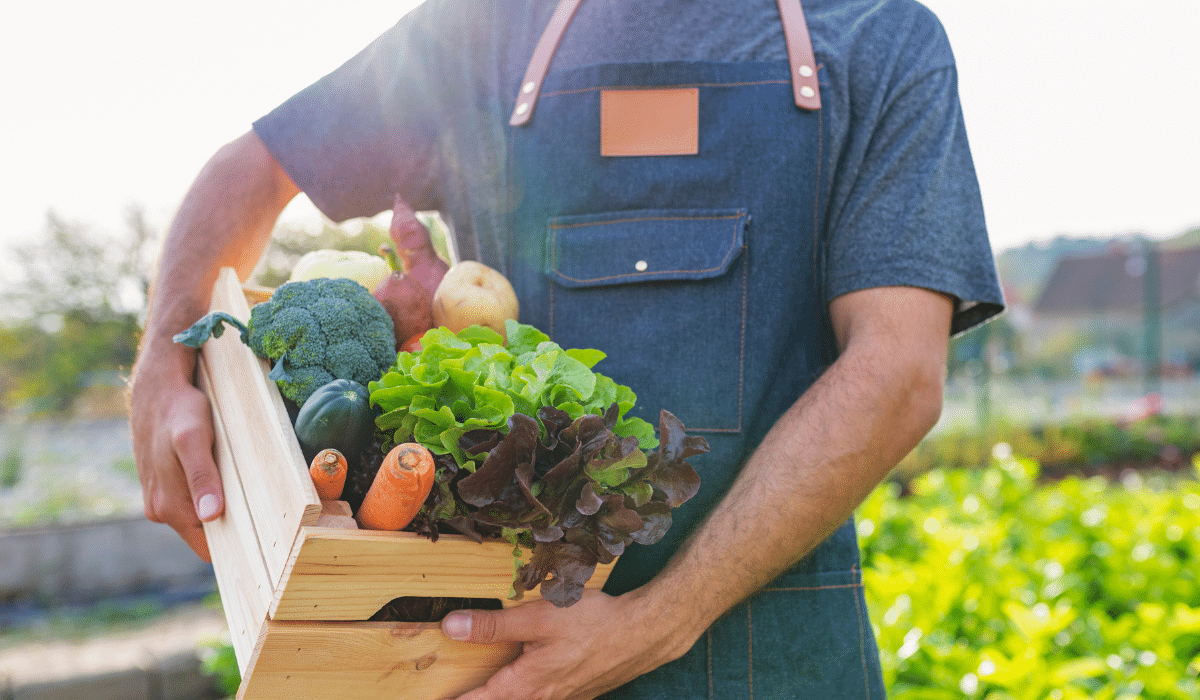
The Bigger Picture
While the price tag on organic produce can be higher, it’s worth considering what you’re really paying for. Organic farming supports better soil health, reduces pollution of waterways, and promotes animal welfare by eliminating practices like caged housing, routine antibiotics, and intensive feedlots. Certified organic livestock must be truly free range – allowed to graze and roam outdoors naturally.
By choosing organic, you’re not just investing in your own health – you’re also supporting a more ethical and sustainable food system.
In Summary:
- Organic food is grown without synthetic pesticides, fertilisers, and additives.
- Reducing your chemical exposure may support long-term hormonal and overall health.
- Even small changes – like washing produce or choosing certain organic items – can make a difference.
- A practitioner-guided detox can support your body in clearing out accumulated toxins.
- Organic farming benefits the environment, animal welfare, and future generations.
At Nurtura Health, we’re passionate about helping you make informed, empowering choices for your wellbeing – including what’s on your plate. If you’d like support with detoxification, nutritional planning, or a personalised strategy to reduce chemical exposure, book an appointment with one of our experienced practitioners today and take the next step toward a cleaner, healthier lifestyle.