

Blogs
Gut Health: Understanding Prebiotics, Probiotics, and Postbiotics

Over the last decade, looking after the digestive system has become a central focus for overall wellbeing. Research continues to show that the trillions of microbes residing in the gut have a profound impact on everything from immune function and digestion to metabolism and skin clarity.
While most of us are familiar with probiotics, and many understand the importance of prebiotics, scientific attention is now shifting toward a highly effective new category: postbiotics.
The primary advantage of postbiotics is that they do not need to be alive to provide therapeutic effects. They are inherently stable, reliable, and backed by a growing body of evidence supporting multiple areas of human health. Let us break down what these compounds are, why they are gaining so much traction, and how they complete the picture of a healthy microbiome.
What Exactly Are Postbiotics?
Postbiotics are stable preparations of inactivated, non-living microorganisms and their beneficial byproducts. When beneficial bacteria consume fibre in the gut, they leave behind highly nourishing compounds. These include short-chain fatty acids (SCFAs), cellular fragments, enzymes, and essential vitamins that continue to support the body long after the bacteria themselves have died.
Think of your digestive system as a working kitchen. If probiotics are the chefs and prebiotics are the raw ingredients, postbiotics are the nutrient-dense meals produced when the cooking is finished.
Because they do not have to survive the manufacturing process, temperature fluctuations on a shelf, or the harsh acidic environment of the stomach, postbiotics offer a highly practical and reliable way to target specific health concerns.
Probiotics vs. Postbiotics: The Main Differences
Understanding the distinction comes down to how these elements behave before and after they enter the body.
Probiotics:
- Made up of live, active beneficial bacteria.
- Must survive storage, manufacturing, and digestion to provide benefits.
- Frequently require refrigeration to keep the bacteria alive.
- Work by actively interacting with the internal gut environment.
Postbiotics:
- Made up of non-living bacterial components and their active compounds.
- Highly stable and immediately ready to work.
- Usually shelf-stable and do not require refrigeration.
- Provide direct therapeutic benefits through cellular structures and byproducts.
Targeted Health Support: Three Key Postbiotics
Researchers are excited by postbiotics because they offer the precise benefits of microbial science with guaranteed consistency. Three of the most thoroughly researched strains demonstrate just how targeted this approach can be.
- Akkermansia MucT® for Metabolic Function and Weight Akkermansia muciniphila naturally lives in the mucosal lining of the digestive tract. Unlike traditional strains, the postbiotic Akkermansia MucT® acts directly on the gut barrier, making it a leading option for metabolic support and natural weight management.
- Weight Management: Clinical trials show it helps regulate fat storage. In a six-month study, individuals taking this postbiotic following a strict diet regained 58% less weight compared to a placebo, assisting with long-term weight maintenance.
- Blood Sugar Balance: It supports healthy glucose metabolism. After three months of use, study participants required a third less natural insulin, indicating much healthier metabolic function and a reduction in energy crashes.
- LP-92™ for Immune Balance and Skin Flare-Ups LP-92™ is a heat-treated form of Lactobacillus acidophilus. It contains unique proteins that help regulate inflammatory signals throughout the body, making it highly valuable for individuals dealing with skin conditions such as eczema.
- Clinical studies on adults with eczema showed that LP-92™ reduced the affected surface area across the scalp, trunk, arms, and legs.
- Over an eight-week period, participants experienced significant improvements in dryness, redness, thickening, and itching.
- ES-1 for Digestive Repair and Comfort Originally isolated from breast milk, ES-1 (Bifidobacterium longum CECT 7347) is heat-treated to become a stable, non-living compound that acts as a maintenance crew for the intestinal lining.
- It encourages the growth of specific bacteria that fuel gut cells and repair the intestinal wall.
- It keeps inflammatory markers (like calprotectin) stable while reducing gut discomfort.
- It has been shown to reduce bloating and improve the quality of life for those managing IBS.
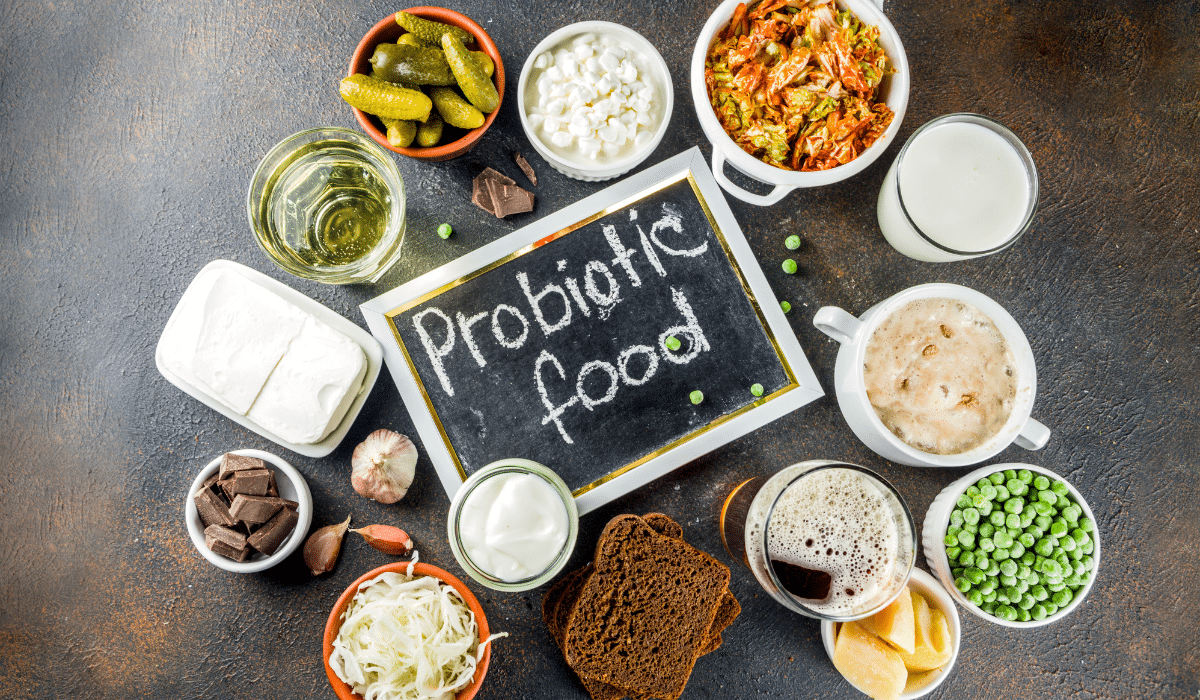
Where Do Probiotics and Prebiotics Fit In?
Rather than replacing older methods, postbiotics work alongside them.
Probiotics act as the seeds for your internal garden. By introducing live, beneficial microbes, they help rebuild a balanced environment so your immune system and digestion are supported from the ground up.
Prebiotics act as the fertiliser. They are specific types of indigestible plant fibres that your gut bacteria consume for fuel. Excellent dietary sources include onions, garlic, bananas (FOS), dairy (GOS), chicory root (Inulin), and cooked-and-cooled potatoes (resistant starch).
Bringing It All Together for Whole-Body Health
Modern healthcare does not ask you to choose between these three categories. Instead, they are viewed as complementary tools:
- Probiotics introduce the good microbes.
- Prebiotics keep them fed and thriving.
- Postbiotics deliver the therapeutic compounds directly.
Caring for your digestive system does not need to be complicated. Small, consistent changes—like increasing the variety of fibre-rich plant foods on your plate—make a significant difference over time.
If you are dealing with ongoing digestive symptoms, skin flare-ups, or metabolic concerns, you do not have to guess which approach is right for you. The experienced team at Nurtura Health is ready to help you navigate your options. Book an appointment today to build a personalised, evidence-based plan that nourishes your body from the inside out.