

Blogs
Why Iron Runs Low and Practical Ways to Build It Back Up

You take the stairs at work and find yourself catching your breath by the second landing. Your hands stay cold even on a warm Bundaberg afternoon, and by mid-afternoon a second coffee barely makes a dent. It is easy to put it down to a busy week, but these can also be signs that your iron stores are running low.
Low iron is one of the most common concerns we see in clinic. The good news is that once you understand why levels drop, there is usually plenty you can do about it.
Think of Iron as a Savings Account
Oxygen delivery is iron’s biggest job, and it claims the lion’s share of your supply, around 75 per cent. That iron sits inside haemoglobin, the protein in red blood cells that loads up with oxygen in your lungs and unloads it in your muscles, brain and organs so they can produce energy. Your body has no way of making iron itself, so every bit of it has to come from what you eat.
A helpful way to picture your stores is as a savings account. Meals make the deposits, your gut acts as the bank deciding how much of each deposit actually clears, and periods, pregnancy, growth spurts and hard training all draw the balance down. In banking terms, the deposit that actually has to clear each day is small change: about 1 mg for most men, rising to as much as 2.5 mg for women with a monthly cycle. Recommended intakes from food are several times higher than that, simply because most of the iron on your plate never reaches your bloodstream.
Your Gut Decides What Gets Through
Absorption is tightly regulated, and the main regulator is hepcidin, a hormone made by the liver. The more iron you already have in storage, the more hepcidin the liver releases and the less your gut takes in from the next meal. In a healthy body, this stops iron from building up to harmful levels.
Inflammation throws a spanner in this neat system. An infection, an injury or a long-running illness sends its own signal to the liver, and hepcidin climbs in response with no regard for whether your iron tank is full or nearly dry. Your gut, following orders, keeps letting very little through. It is one reason a person can eat well, or dutifully take a supplement, and still watch their results barely move. That same mechanism helps explain why iron deficiency turns up so often alongside chronic illness, with kidney disease, autoimmune conditions, cancer and heart failure all carrying a higher risk.
Damage to the digestive tract itself can stand in the way too. Coeliac disease is a well-known example: the immune reaction to gluten injures the lining of the small intestine, which is exactly where most dietary iron is absorbed. Low iron with no obvious explanation is one of the reasons a GP may test for coeliac disease or look for an inflammatory problem, so mention it if your levels have refused to lift.
Making Every Meal Count
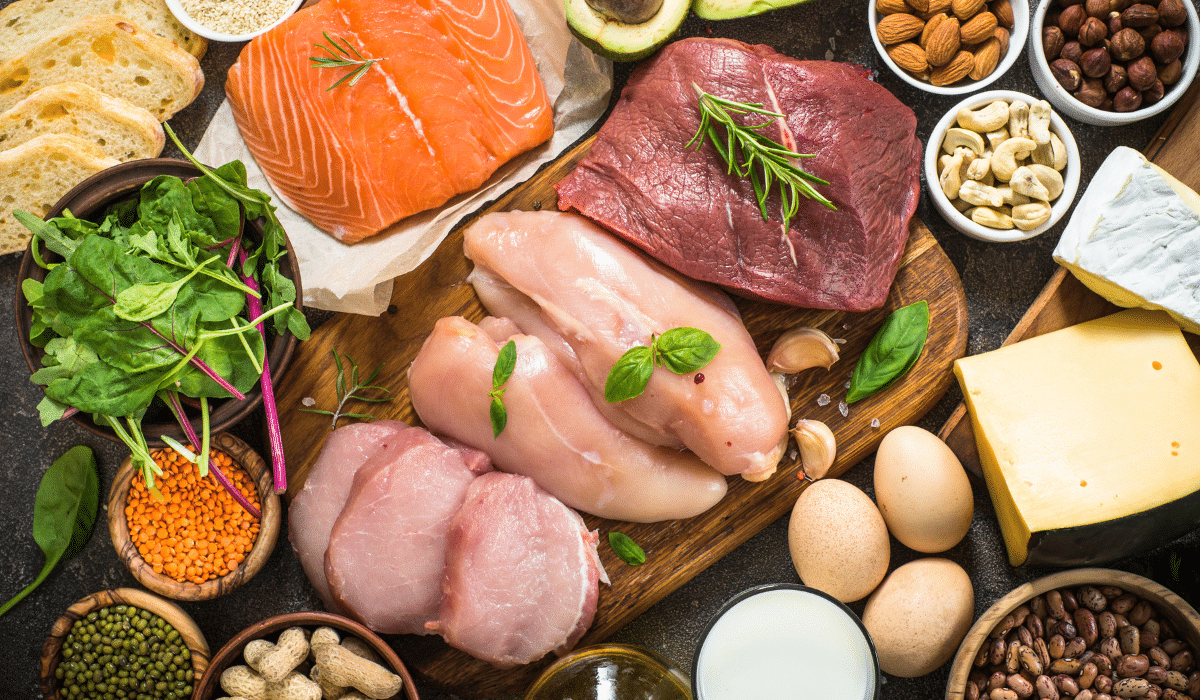
Iron comes in two forms, and your gut treats them very differently. Red meat, chicken and fish supply haem iron, the easier one to use. Legumes, leafy greens, eggs and nuts supply the other type, non-haem iron, which takes more effort to absorb. Out of every 100 mg of haem iron you eat, roughly 14 to 18 mg makes it into circulation. For the plant form, that figure drops to somewhere between 5 and 12 mg. That gap is the reason vegetarian and vegan iron targets carry a 1.8 multiplier.
A few simple habits help your meals work harder:
- Add a Vitamin C Partner: Non-haem iron is absorbed better alongside vitamin C. A lentil curry with tomato, a tofu stir-fry loaded with capsicum or a bowl of greens with orange segments will do more for your stores than the same dish on its own.
- Move the Cuppa: Have your flat white mid-morning rather than with breakfast, and push the afternoon tea well clear of lunch. Both drinks interfere with how much iron your gut can take from a meal.
- Put Iron on Every Plate: Small amounts through the day add up. Kangaroo or lamb mince in a weeknight bolognese, sardines on toast at lunch, kidney beans in a burrito bowl and pepitas scattered over a salad are all easy wins.
- Keep Drinking Moderate: A heavy, regular alcohol habit is linked with disrupted iron levels, which is one more reason to keep the weekend beers in check.
Who Makes the Biggest Withdrawals
Some stages of life, and some lifestyles, draw on iron far faster than others. Pregnancy sets the highest bar, at 27 mg a day from food. Women who still menstruate are advised to aim for 18 mg, while men and women past menopause need just 8 mg.
- Pregnancy: A growing baby and placenta, plus the mother’s expanding blood volume, push iron needs to their highest point of adult life.
- Hard Training: Endurance exercise chips away at iron from two directions. A little is lost in sweat, and the inflammation after a hard session nudges hepcidin up, so less is absorbed from the next meal. Women who train seriously are especially likely to run low, and a summer of early runs along the Bargara foreshore counts.
- The Teenage Years: Compare a 10-year-old girl with a 15-year-old who has started her period, and the older girl’s iron requirement is roughly twice as high, often at a time when breakfast is skipped for the school bus and dinner is eaten late after sport.
- Heavy Periods: If your periods are heavy, you may need roughly double the usual amount of iron just to keep your stores level. Blood loss explains why. A cycle heavier than 80 mL, the threshold doctors use for heavy bleeding, can cost five to six times as much iron as an average one.
Blood loss you cannot explain, or periods that seem to be getting heavier, should always be checked by your GP so the cause can be found.
Your Next Steps
Because the signs of low iron overlap with so many other things, from poor sleep to stress, guessing is not a reliable strategy. A simple blood test shows where your iron actually sits, and our functional pathology service can help you understand those results alongside your diet, cycle, activity levels and overall health. From there, we can look at the cause rather than just the numbers.
Food is the foundation, but sometimes stores are too depleted to rebuild through diet alone. Plenty of people assume the multivitamin in the pantry has them covered, yet most carry only a token amount of iron, rarely enough to refill stores that are already running on empty. The right form and amount depends on your results, so talk with a practitioner before starting a supplement, especially if you are pregnant, take regular medication or have a diagnosed health condition.
Feeling flat, breathless or cold more often than you should? Book an appointment with Nurtura Health today to work with a practitioner on a personalised plan to understand your iron levels and support your energy from the inside out.