
Blogs
5 Everyday Habits That Can Harm Your Microbiome (and How to Turn Things Around)
You’ve probably heard the word microbiome being thrown around in health circles – but what does it actually mean?
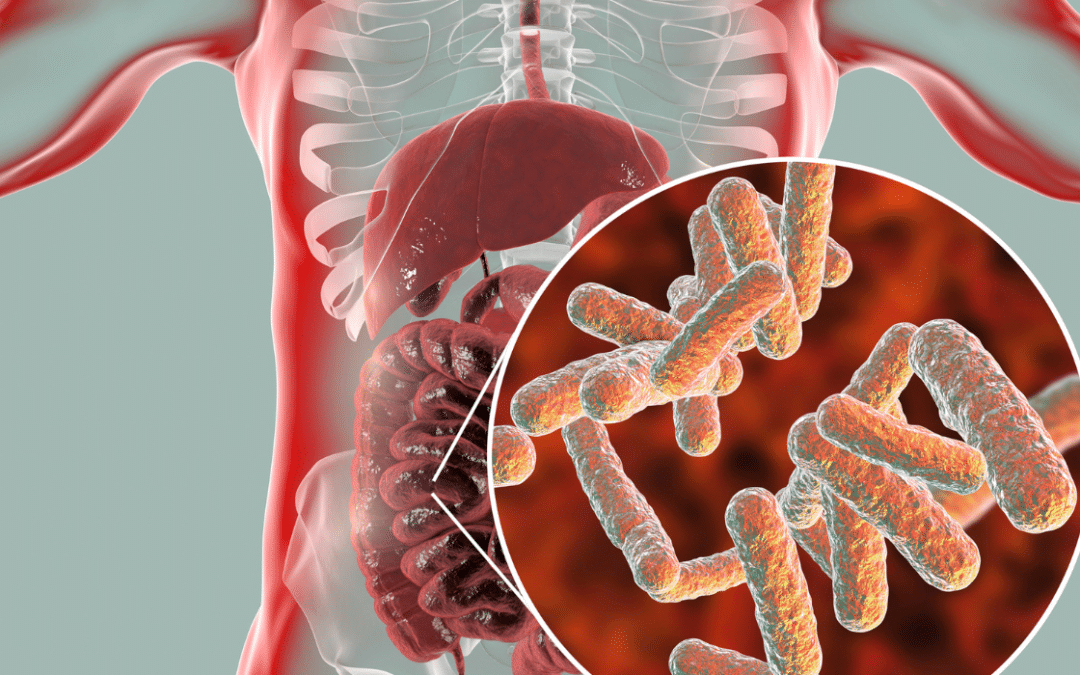
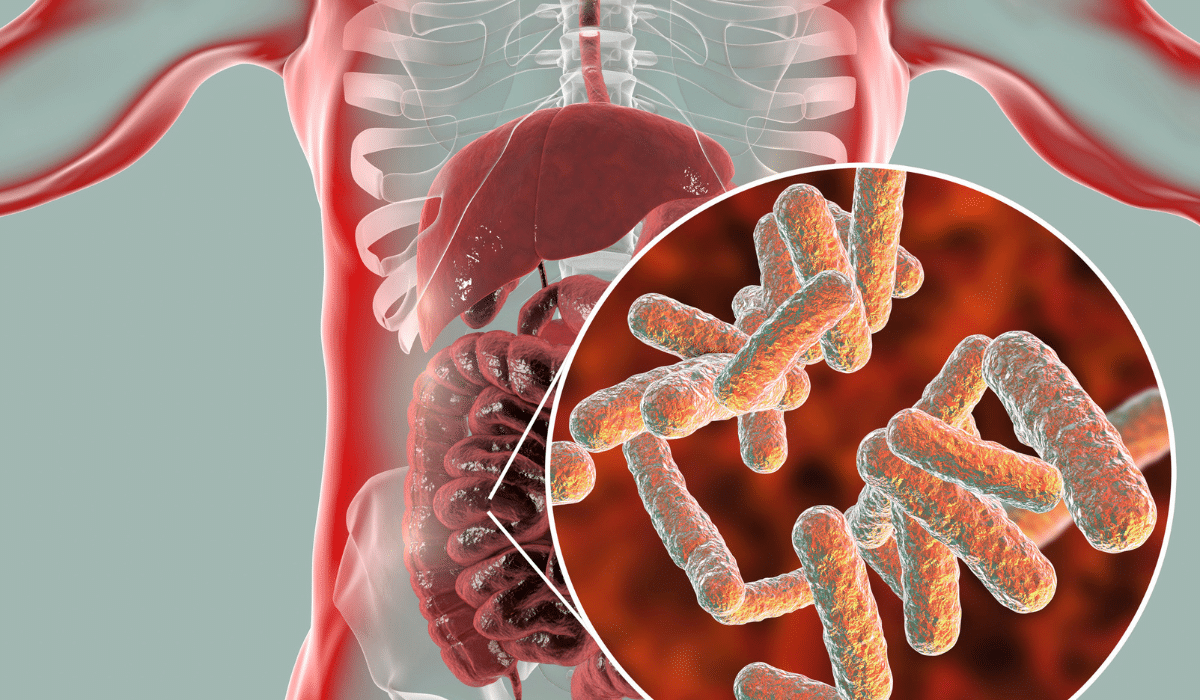
Your microbiome is the vast inner ecosystem of microbes living in your gut. This community includes not only bacteria, but also fungi and other microorganisms – an estimated 38 trillion in total. When these organisms exist in balance, they do far more than just aid digestion. They help produce key vitamins, regulate immune function, support healthy bowel movements, and even influence brain chemistry and mood.
But this balance is fragile. Poor diet or lifestyle habits can reduce both the number and diversity of beneficial microbes, creating space for harmful organisms to thrive. This imbalance, known as dysbiosis, is linked to digestive upset, nutrient depletion, lowered immunity, and even recurring illness.
Here are five of the most common everyday habits that disrupt the microbiome – and what you can do to create a healthier internal environment.
1. Not Eating Enough Fibre
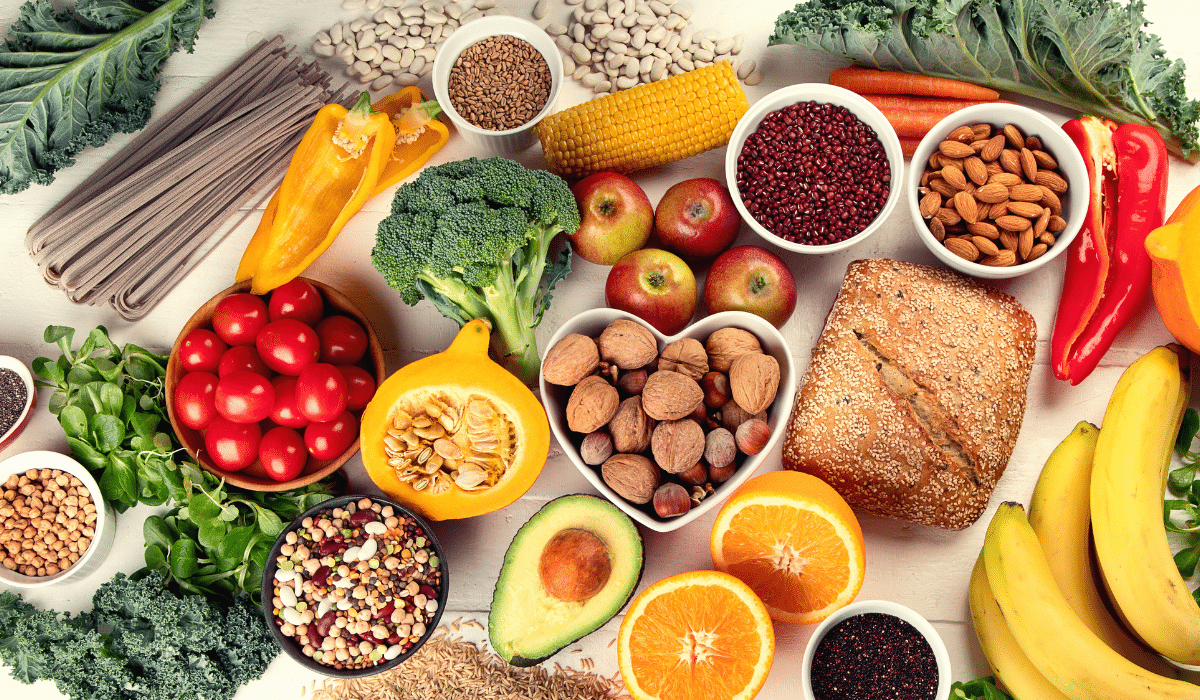
Fibre is your microbiome’s primary fuel source. A diet lacking in variety and plant-based fibre can quickly shrink microbial diversity. In fact, studies show that people who eat more than 30 different plant foods a week have significantly healthier, more diverse microbiomes than those who consume fewer than 10.
What to do instead: Challenge yourself to add more colour and variety to your plate – think legumes, whole grains, fruit, vegetables, nuts and seeds.
2. Too Much Alcohol
Regular drinking can inflame the digestive tract and disrupt the composition of gut microbes. Over time, this reduces resilience and can trigger ongoing imbalance.
What to do instead: Keep alcohol for occasional enjoyment and aim for alcohol-free days each week to give your gut a rest.
3. Living in Stress Mode
Ongoing stress floods your body with cortisol and adrenaline, which prime it for inflammation. This creates an environment that makes it harder for good microbes to survive and thrive.
What to do instead: Prioritise stress relief – whether it’s mindfulness, gentle yoga, or something as simple as deep breathing exercises or regular walks outdoors.
4. Sitting Still Too Often
Your microbiome doesn’t just depend on what you eat. Physical activity is closely tied to microbial diversity, and sedentary habits have been linked to less robust gut health.
What to do instead: Aim for at least half an hour of movement most days. Even light exercise such as walking, cycling, or stretching can make a difference.
5. Overusing Antibiotics
Antibiotics are sometimes necessary, but they’re also blunt tools. Along with wiping out infections, they also kill beneficial microbes, leaving your gut vulnerable. It’s no surprise that up to 10% of people experience antibiotic-associated diarrhoea.
What to do instead: Only take antibiotics when essential, and consider supplementing with a clinically researched probiotic to help repopulate your gut afterwards.
Supporting and Strengthening Your Microbiome
Improving your microbiome doesn’t always require drastic changes – small, consistent shifts matter. Regular exercise, mindful stress management, moderation with alcohol, and a fibre-rich, plant-based diet all provide the foundation for a balanced gut environment.
Think of feeding your microbiome the same way you would nurture a garden: the greater the variety of “seeds” (plants and fibres), the more diverse and resilient the ecosystem becomes.
When You Need a Little Extra Help
Sometimes, despite your best efforts, harmful organisms can take hold and lead to ongoing dysbiosis. In these cases, targeted natural supports may be useful:
- Herbal antimicrobials: Botanicals such as pomegranate, nigella, and myrrh have shown effectiveness in reducing undesirable microbes and restoring balance.
- Probiotics: Specific strains can help restore diversity after disruption. For example:
- Lactobacillus rhamnosus (LGG®) supports the growth of beneficial bacteria.
- Saccharomyces boulardii helps prevent antibiotic-related imbalances and speeds up recovery.
- Lactobacillus acidophilus (NCFM®) and Bifidobacterium animalis lactis (Bi-07) provide additional protection and resilience.
The Takeaway
Your gut microbiome plays a central role in overall health, but everyday choices can either nurture or damage it. By prioritising diverse, plant-based foods, moving your body regularly, managing stress, moderating alcohol, and using antibiotics wisely, you create an environment where beneficial microbes can thrive.
If you feel your microbiome needs more specialised support, the team at Nurtura Health can help. Make an appointment to receive a tailored treatment plan, including the right probiotics, dietary guidance, or herbal remedies for your unique needs. Supporting your microbiome is one of the best investments you can make in your digestion, immunity, and long-term wellbeing.