

Blogs
Menopause Is a Process, Not a Moment. Here’s What Each Stage Brings

Many women picture menopause as a single event: one day the periods stop, the hot flushes arrive, and that is that. In reality, menopause unfolds in stages over several years, and hot flushes are only one of many possible changes. Some women notice shifts in their sleep, mood or cycle years before their final period, while others barely notice anything until their late 40s.
Knowing the three stages of menopause (perimenopause, menopause and postmenopause) can make the changes far less confusing. Here is what is happening in your body at each point, and what may help along the way.
Reading the Timeline Backwards
Here is the odd thing about menopause: you can only know you have reached it by looking back. The official marker is a full year with no period at all, and most women get there at some point from 45 to 55. By then ovulation has ceased, and the ovaries’ output of oestrogen and progesterone has settled at a far lower level than in your thirties.
Everything before that anniversary is perimenopause. It can begin any time from your late thirties into your early forties, and the first clue is often your cycle. A period might turn up a week early one month and late the next, or suddenly be much heavier, or much lighter, than you are used to. Everything after the anniversary is postmenopause, the stage when, for many women, the more disruptive symptoms finally settle down, usually somewhere in the years either side of 60.
How Hot Flushes, Sleep and Mood Shift Over Time
Hormones do not fade out gently during perimenopause. Oestrogen can spike in one cycle and dip in the next, and that unpredictability is behind much of the “not quite myself” feeling women describe.
The best-known sign is the hot flush: a rush of heat through the face, neck and chest that can leave you red, damp and aware of your heart thumping, usually for a few minutes. At night it shows up as a night sweat, and you may wake with damp sheets in the middle of a perfectly cool winter. In a humid Queensland summer, plenty of women blame the weather for months before the penny drops. Flushes often start in perimenopause and, for many women, keep going for some years after the final period.
Sleep is frequently the next casualty. Night sweats are part of it, but shifting hormones can unsettle sleep on their own, and some women find themselves wide awake at 3 am night after night, a pattern known as insomnia.
Broken nights then spill into the day. Shorter patience, waves of worry or flatness, losing a word halfway through a sentence and walking into a room with no idea why are all common, and some women also find their muscles feel achier and tighter than they used to. These changes can begin well before periods stop and hang around into menopause, so raise them with your practitioner even if you are unsure they are connected.
Pelvic, Bladder and Sexual Health
These are the changes women are least likely to bring up, and among the most worth discussing.
Oestrogen helps keep vaginal tissue thick, moist and elastic. With less of it, that tissue becomes thinner and drier, which can make sex uncomfortable or even painful, and many women notice their desire or ability to become aroused shifts as well.
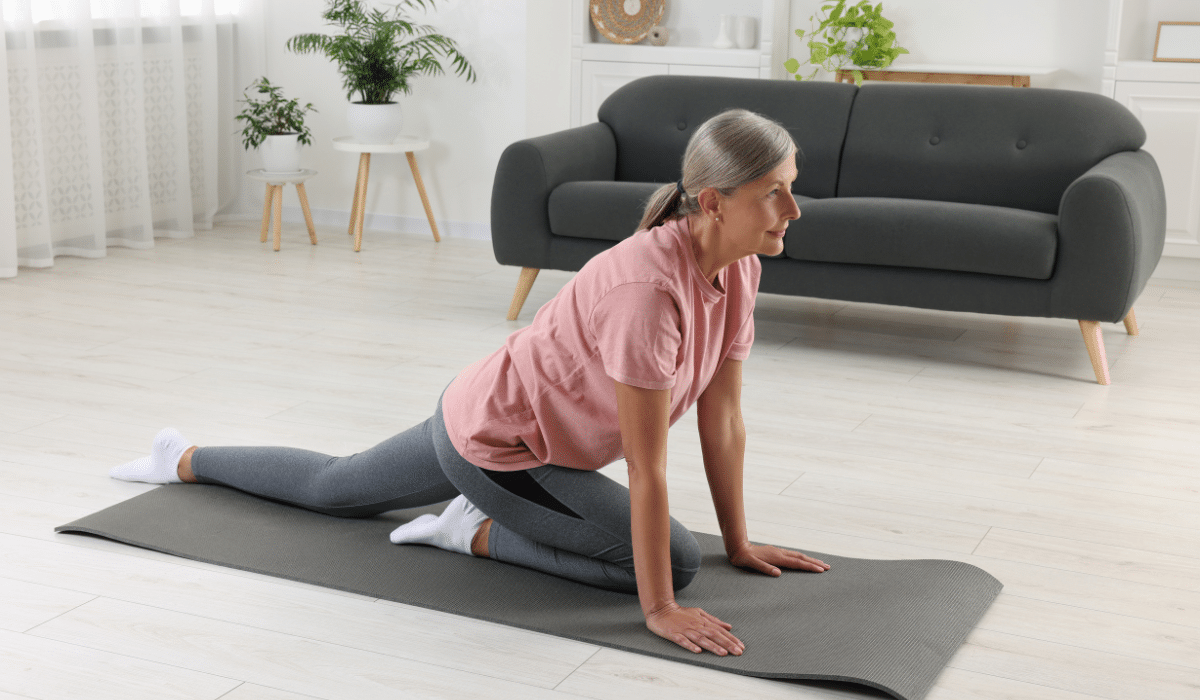
The pelvic floor, the hammock of muscle holding up the bladder, bowel and uterus, can also lose some of its strength once hormone levels drop. You might notice a small leak when you sneeze at the footy, bounce on the trampoline with the grandkids or heave a bag of potting mix out of the car. Bladder infections may start turning up more often than they used to. Talk to your Naturopath about what exercises you can do and herbs you can take.
Looking After Your Bones in the Decades Ahead
Once periods have stopped and the day-to-day symptoms ease, attention turns to the long game. Oestrogen helps protect bone, so the years after menopause bring a greater risk of osteoporosis, where bones lose density and break more easily.
Ask your GP which checks are due for you. Mammograms, pelvic examinations and, at the right time, a bone density scan are all part of staying on top of your health at this age. Regular movement, including walking and some resistance work, and a well-rounded diet continue to matter here too.
Everyday Strategies That May Help
Small, practical changes can take some of the edge off, whatever stage you are in:
- Dress for Queensland: Breathable cotton and an outer layer you can peel off quickly make the shift from an air-conditioned office into a sticky afternoon much easier.
- Move Most Days: Exercise supports mood, sleep and bone health. A walk along the beach, aqua aerobics or a yoga class all count, and slower practices such as stretching or slow breathing may help you wind down before bed.
- Test Your Triggers: For some women, coffee, chilli or a spicy takeaway sets off a flush. Cut back on one at a time for a fortnight and see what changes.
- Keep a Symptom Diary: Note your flushes, sleep, mood and cycle for a month or two. Patterns often appear, and the notes make a consultation far more productive.
- Lean on Your People: Telling your partner, friends or workmates what is going on can ease the pressure, and many women feel better simply knowing others have been through the same thing.
Getting Support That Fits You
Menopause looks different for every woman. Jean Hailes for Women’s Health estimates that about one in five women have severe symptoms that are very hard to live with, while a similar share notice little or nothing at all. The majority land somewhere in the middle, which is why a plan built around your own symptoms, history and priorities tends to work better than a generic checklist.
If symptoms are affecting your work, sleep or relationships, you do not have to wait them out. Herbal medicine and nutritional support may form part of a natural plan tailored to you, working alongside any medicines your GP recommends. If you take medication or have a diagnosed health condition, please seek individual advice from your Naturopath, before starting any supplement or herbal remedy.
Make an appointment with Nurtura Health today to talk with one of our practitioners about where you are in the menopause transition and build a personalised plan to support you through each stage.